
Artificial Intelligence is moving faster than ever. Every day, millions of people use AI tools without thinking about what’s happening behind the scenes. But the truth is, every AI response, every generated image, and every smart prediction depends on something huge: data centers.
These massive buildings are packed with powerful servers that run day and night, consuming enormous amounts of electricity, water, and resources. As AI continues to grow, more and more data centers are being built—and many people are starting to ask an important question:
Can we keep expanding AI without harming the environment or disturbing the communities living nearby?
The good news is: yes, we can—but only if we make smarter choices now.
1. Power Data Centers with Clean Energy Instead of Fossil Fuels
One of the biggest environmental concerns with AI data centers is their massive energy consumption. These facilities need electricity 24/7, and in many places, that electricity still comes from fossil fuels like coal or natural gas.
That creates a major carbon footprint.
A better solution is to power these data centers using renewable energy such as solar and wind. This doesn’t just reduce pollution—it also makes AI infrastructure more sustainable for the future.
Major companies like Google and Microsoft have already started investing in cleaner energy sources for exactly this reason.
If AI is going to shape the future, it shouldn’t be powered by systems that harm the planet.
2. Use Better Cooling Systems That Don’t Waste Water
Another issue many people don’t realize is how much water data centers use.
Servers generate a lot of heat, and keeping them cool often requires huge amounts of water—sometimes millions of gallons every year. In areas where water is already limited, this can create serious problems for local residents.
The solution is smarter cooling technology.
New methods like liquid immersion cooling and advanced air cooling can reduce water use significantly. Some companies are even using recycled wastewater instead of clean drinking water.
That means the technology can keep running without competing with local communities for essential resources.
3. Stop Wasting Heat—Put It to Good Use
Data centers produce an incredible amount of heat, and most of that energy is simply released into the atmosphere.
But what if that “waste” could actually help people?
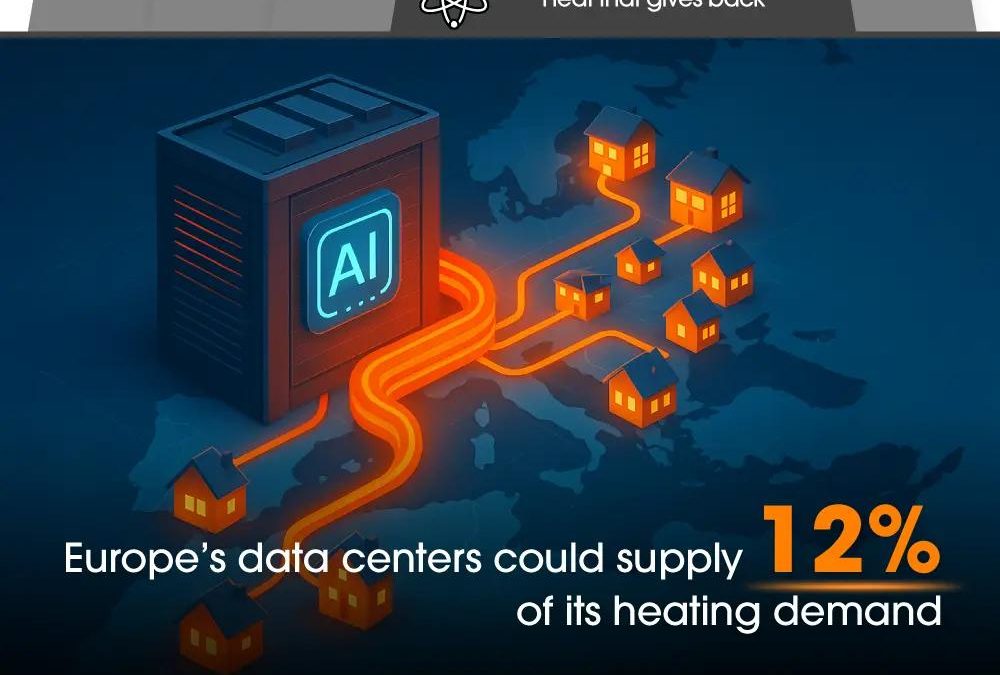
In some countries, excess heat from data centers is being redirected to warm homes, heat public buildings, and even support greenhouses for food production.
Instead of treating heat as a problem, it can become part of the solution.
That’s a smart way to make AI infrastructure more efficient while giving something back to the community.
4. Choose Better Locations for New Data Centers
Not every place is the right place for a large AI facility.
Building a data center in an area with water shortages, limited electricity, or dense residential neighborhoods can create unnecessary stress for local people.
A smarter approach is to build in cooler regions where less cooling is needed, or in industrial zones where infrastructure already exists.
Countries like Iceland are becoming popular choices because they offer natural cooling and access to renewable energy.
Sometimes sustainability starts with simply choosing the right location.
5. Make Sure Local Communities Benefit Too
One of the biggest mistakes companies make is building large projects without considering how nearby residents are affected.
People living near data centers may deal with construction noise, increased traffic, or pressure on local utilities. If they only experience the downsides, frustration is understandable.
That’s why companies need to invest in local communities too.
That could mean:
- Creating jobs for local workers
- Improving roads and public infrastructure
- Adding noise protection systems
- Being transparent about environmental impact
Technology should improve people’s lives—not make them harder.
The Future of AI Should Be Green
AI has the potential to solve some of humanity’s biggest challenges. But if the systems powering it damage the environment, then we’re simply creating a new problem while trying to solve another.
The future of AI must be built differently.
Cleaner energy, smarter cooling, better planning, and community-focused development can allow AI data centers to grow responsibly—without harming the land, the environment, or the people living nearby.
AI can absolutely help shape a better future.
The real challenge is making sure it doesn’t damage the world while doing it.